Call Us +44 (0)1686 611200
Proudly Made in the United Kingdom

Handling Long, Wide and Awkward Loads: Choosing the Right Forklift Attachment
By Jason Cadman on October 20, 2026
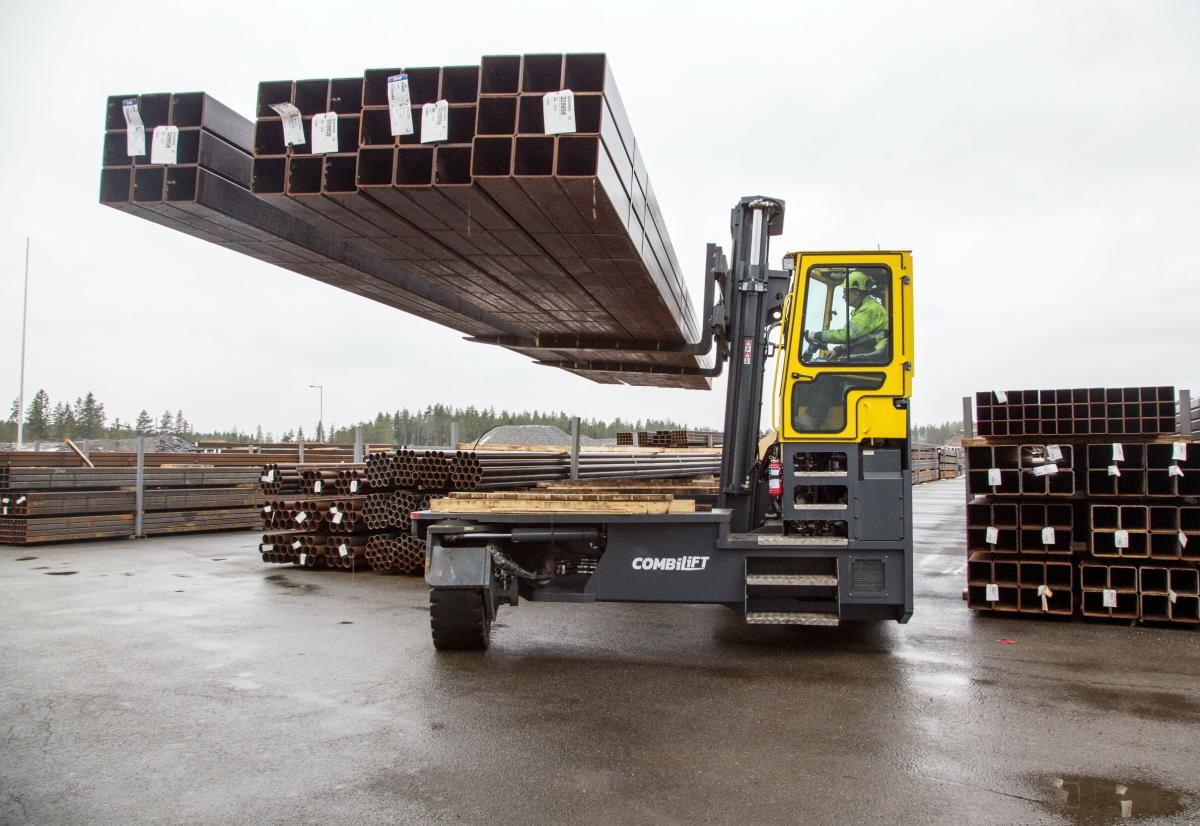
Long, wide and awkward loads can be among the most challenging materials to handle safely and efficiently.
Whether you're moving timber packs, steel sections, pipework, fabricated products or oversized panels, standard forks don't always provide the support required.
When loads extend beyond fork length or have an uneven weight distribution, stability, visibility and manoeuvrability can all be affected. Choosing the right forklift attachment can improve load control, reduce product damage and help operators work more safely.
The right attachment isn't simply about lifting a load. It's about supporting it correctly, maintaining stability and ensuring the forklift remains suitable for the task.
1 Start With the Load
Before selecting an attachment, it's important to understand both the load and the application.
Consider the following:
- Load dimensions and weight: How long, wide and heavy is the load?
- Weight distribution and load centre: Is the weight evenly distributed or concentrated in one area?
- Material type and condition: Could the load flex, shift or become damaged during handling?
- Lift heights and storage requirements: Where does the load need to be positioned?
- Available operating space: Are there narrow aisles, restricted turning areas or other obstacles?
- Frequency of handling: Is this an occasional task or part of daily operations?
Even loads with similar dimensions can have very different handling requirements depending on how they are constructed and supported.
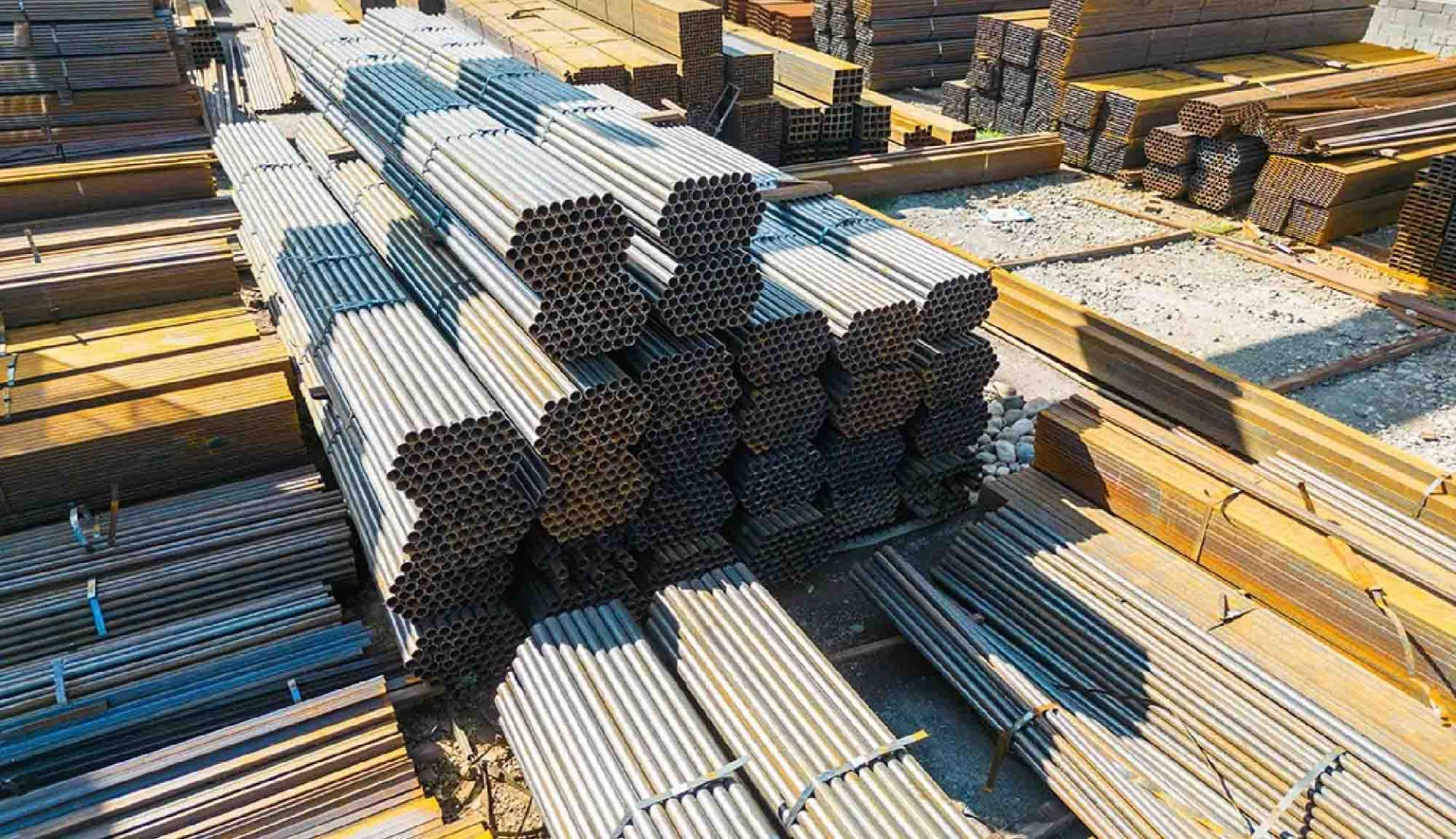
Long materials such as timber, steel and pipework can require additional support during handling.
2 Common Challenges When Handling Awkward Loads
Long and awkward loads often create issues that are not encountered with standard palletised goods.
Reduced Visibility
Oversized loads can obstruct the operator's view, making it more difficult to see pedestrians, obstacles and the intended travel route.
Load Instability
Loads with uneven weight distribution or insufficient support may shift, flex or become unstable during movement.
Restricted Manoeuvrability
Long or wide loads require additional clearance when turning, travelling through gateways or working in confined areas.
Product Damage and Equipment Strain
Inadequate support can damage materials and place additional strain on handling equipment.
Without adequate support, loads can flex, shift or become difficult to position safely.
3 Which Forklift Attachment Is Right for the Job?
There is no one-size-fits-all solution. The most suitable attachment depends on the load, the forklift and the operating environment.
Fork Extensions
Fork extensions provide additional support when handling loads that extend beyond the existing forks.
They can be useful where standard fork length is insufficient for the load being handled, provided the extensions are correctly specified and the load remains within the permitted capacity.
Important: Fork extensions do not increase the forklift's lifting capacity and may affect the load centre and residual capacity.
Wide Load Handlers
Wide load handlers are designed to support products across a greater span, helping improve stability when handling particularly wide or bulky loads.
These attachments can provide a more suitable handling arrangement where standard fork spacing does not offer sufficient support.
Bespoke Forklift Attachments
Where standard equipment is not suitable, a bespoke forklift attachment can be designed for the specific application.
A purpose-designed attachment can help address unusual load dimensions, weight distribution or handling requirements, improving both safety and operational efficiency.
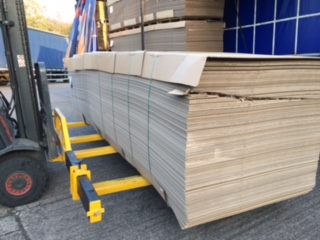
Specialist attachments can provide improved support for loads that are difficult to handle using standard forks.
4 Don't Overlook Forklift Capacity
Every attachment affects forklift performance.
Because attachments add weight and can move the load centre forward, they may reduce the truck's residual lifting capacity.
Before Using a Specialist Attachment
✓ Confirm the attachment is compatible with the forklift.
✓ Ensure the revised lifting capacity has been assessed.
✓ Check the load is within the permitted limits.
✓ Verify that the attachment is correctly fitted and inspected.
Safety Reminder: Never assume that a forklift's original rated capacity remains unchanged when an attachment is fitted. If there is any uncertainty, seek technical advice before operation.
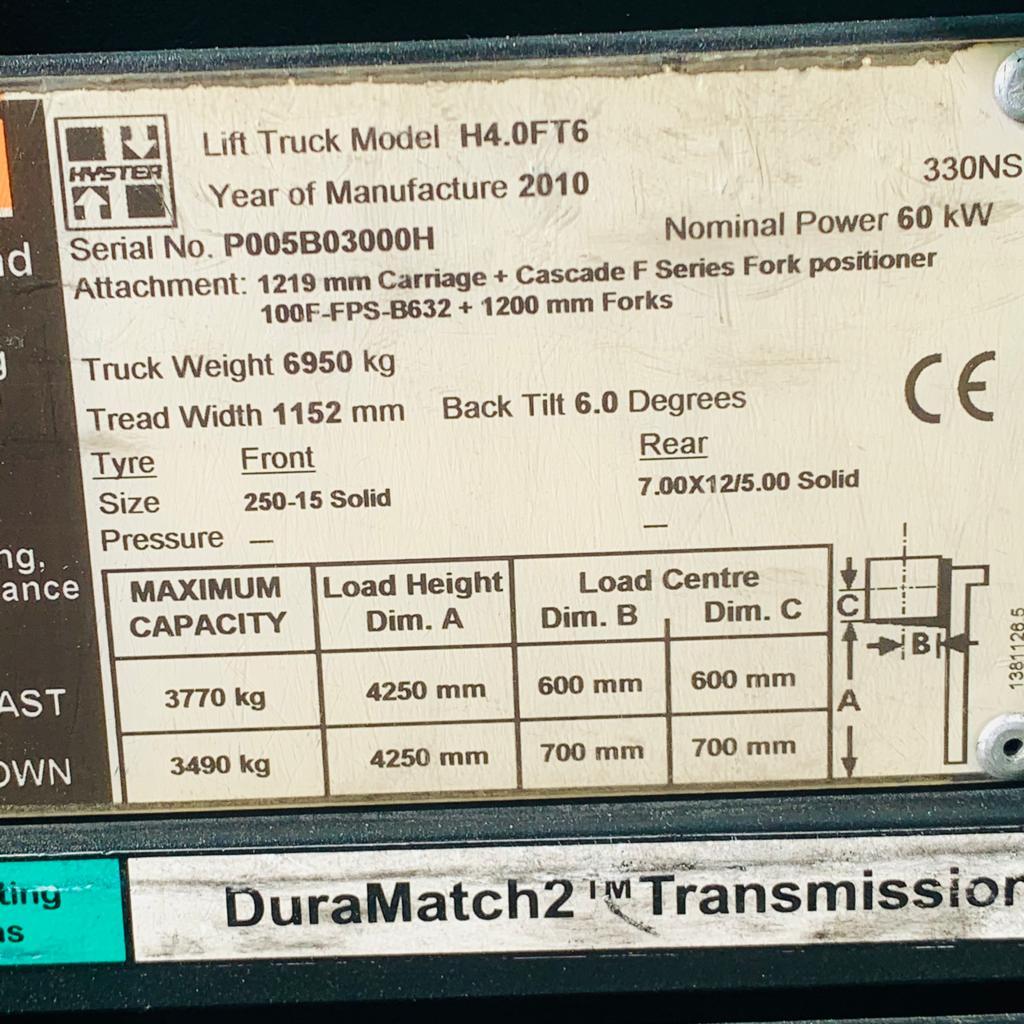
Attachment weight and load centre must be considered when assessing forklift capacity.
5 Choosing the Right Solution
Selecting an attachment for long, wide or awkward loads is rarely just a question of dimensions.
Load characteristics, operating conditions and forklift specifications all play a role in determining the most effective solution.
With more than 50 years of UK manufacturing and engineering expertise, Contact Attachments helps businesses identify practical material handling solutions for a wide range of applications.
Whether you require a standard attachment, a modification or a completely bespoke design, our technical team can help you find the right solution for the job.
Your Forklift Attachment Selection Checklist
☐ Load dimensions and weight confirmed
☐ Weight distribution and load centre assessed
☐ Suitable load support identified
☐ Operating space and turning requirements checked
☐ Forklift and attachment compatibility confirmed
☐ Revised forklift capacity assessed
☐ Attachment fitting and inspection requirements understood
Handling Long, Wide or Awkward Loads?
Speak to Contact Attachments about fork extensions, wide load handlers and bespoke forklift attachment solutions.
Discuss Your ApplicationCall us on 01686 611200