Call Us +44 (0)1686 611200
Proudly Made in the United Kingdom

Forklift Attachments in Food & Drink: The 5 Most Common Questions Answered
By Jason Cadman on August 20, 2025
Operators in the waste management industry often face handling bulky, irregular, and sometimes hazardous materials. The right forklift truck attachments can make a huge difference to operations, ensuring waste products are disposed of easily, efficiently, and above all, safely. But with so many different types of waste, it can be a minefield choosing the right attachments for this industry.
In this blog, we’ve answered the five most frequently searched questions about forklift truck attachments in the waste and recycling industry …
What Forklift Attachments Are Best Suited for Handling Scrap, Waste, and Recyclables?
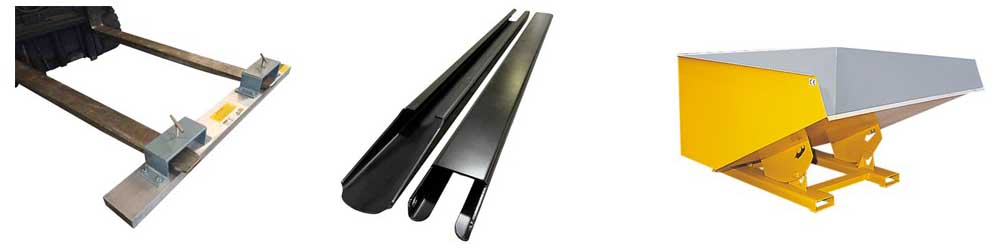
With so many varying types of waste, there is no one attachment that will adequately cover off all material handling needs - but popular choices in this industry include rotators - which allow for the safe tipping of bins, skips, or containers into refuse sorting areas or crushers - and bale clamps, which are perfect for handling compressed paper, cardboard, plastic, and textile bales, without the need for pallets.
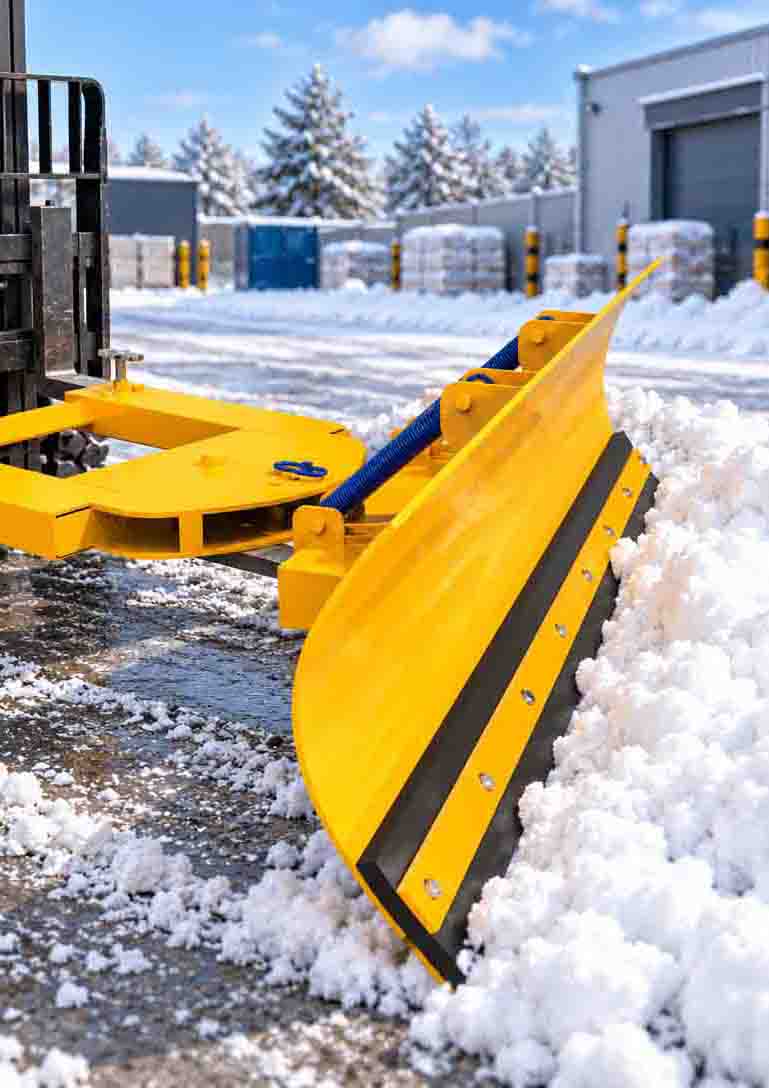
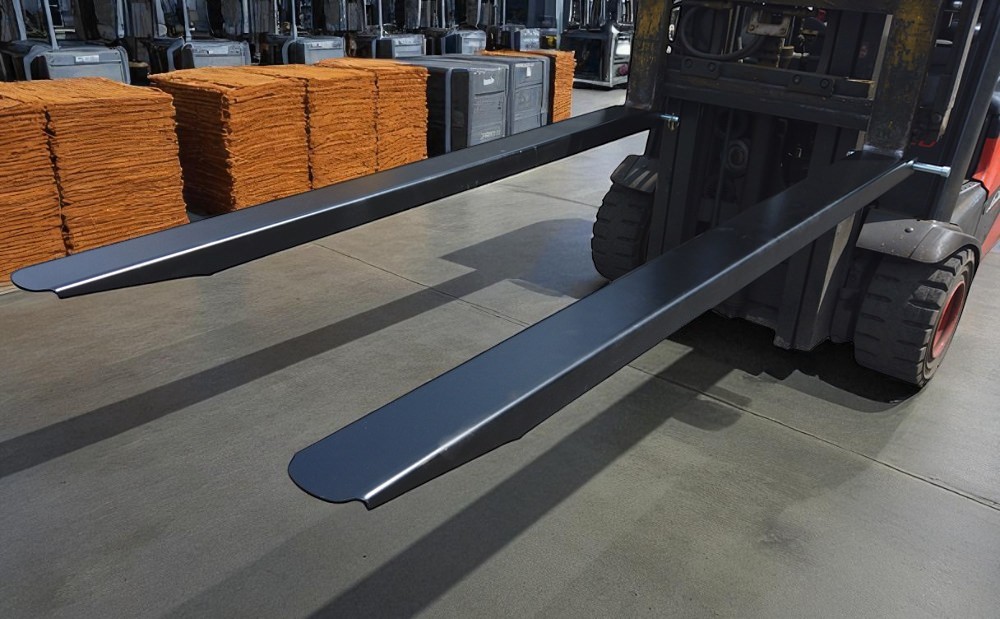
Magnetic attachments are ideal for lifting ferrous metals of all shapes and sizes in scrapyards and recycling facilities, and fork extensions & tipping skips can extend reach and streamline the task of unloading mixed waste into hoppers or skips. And finally, forklift sweepers are a must have addition to any equipment portfolio in the waste management industry.
How Do I Choose the Right Attachment for a Harsh, Outdoor Environment Like a Scrapyard?
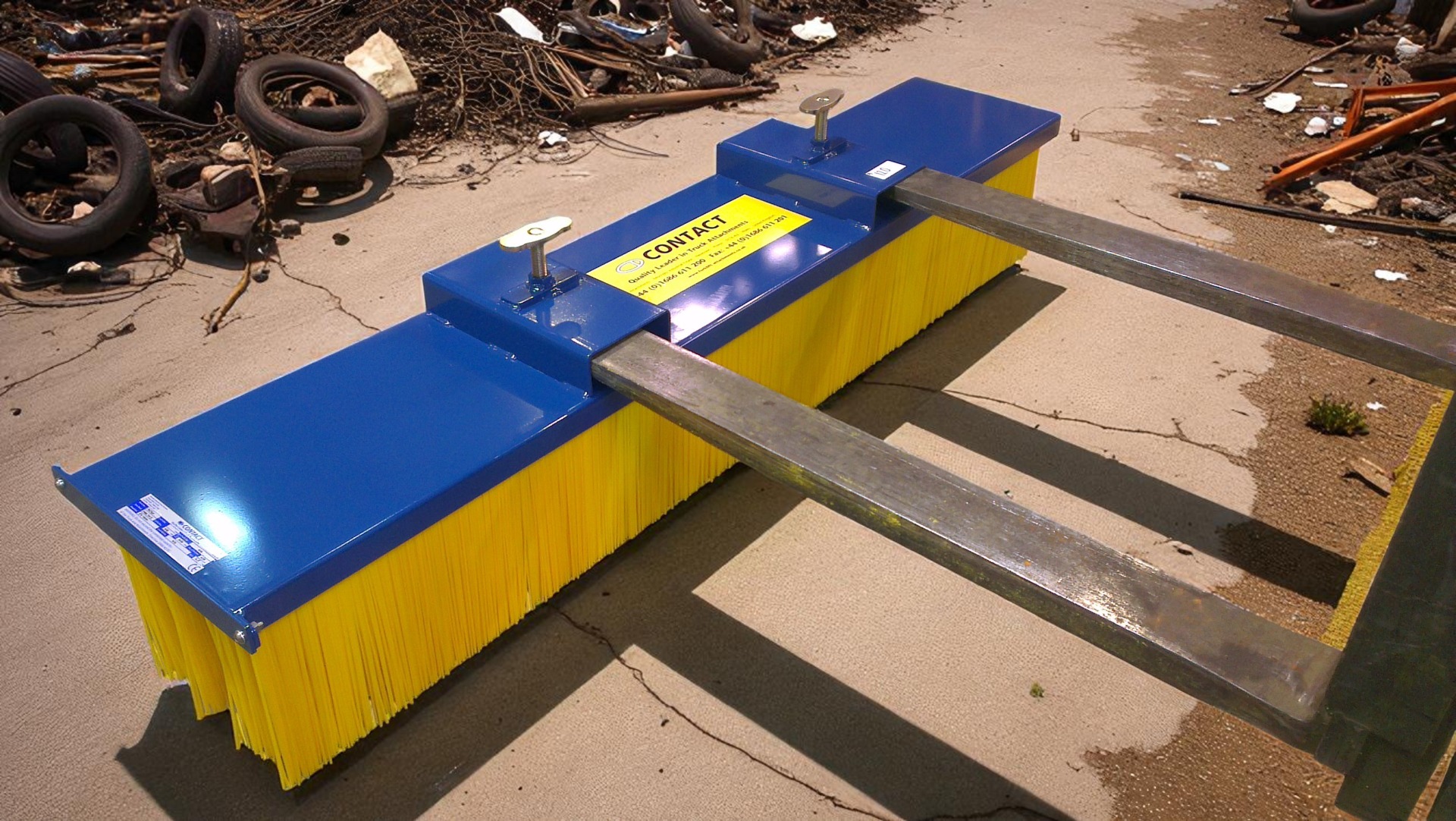
Waste management sites are often exposed to dust, moisture, temperature extremes, and abrasion - meaning attachments made from heavy duty, weatherproof materials are a must. Reinforced steel or powder-coated finishes offer protection from the elements.
There’s also a high risk of constant collision involved in scrapyard material handling, and hydraulics and connection points should be protected from impacts during loading and unloading. They should be built with rugged use in mind, for the likes of recycling yards or landfill sites, with fast wearing parts being easily replaceable and access for maintenance unrestricted.
How Can Forklift Attachments Improve Efficiency in Recycling Operations?
The right attachments can save time and reduce risk, such as rotators - which enable operators to empty containers directly into waste sorting and processing equipment.
Bale clamps, as we’ve touched upon, eliminate the need for pallets - which can also reduce handling time. And magnetic or grapple attachments reduce the need for manual sorting and lifting, which improves safety and makes operations more efficient. Overall the right equipment can reduce downtime and lower manual labour costs.
What Safety Concerns and Regulations Should I be Aware of When Using Attachments in Waste Environments?
When lifting irregular, heavy, or shifting loads, stability is obviously a major concern, as is visibility which can be significantly reduced when using wide or tall clamps. It’s therefore essential to ensure you have an updated load rating plate reflecting the new capacity of your forklift with the attachment fitted, and that operators are trained on the correct use of the attachment.
There are also various regulations to comply with in addition to the usual LOLER 1998, PUWER 1998, and the Health and Safety at Work Act 1974. The Waste (England and Wales) Regulations 2011 and Environmental Permitting Regulations 2016 indirectly affect forklift attachment use, stating waste must be sorted, moved and processed in ways that prevent spillage, contamination and escape. Attachments which are fit for purpose are often therefore required.
The Control of Substances Hazardous to Health (COSHH) Regulations 2002 may also apply if waste contains hazardous materials such as asbestos or chemicals. In these instances forklift attachments must prevent any unnecessary release of dust or liquids, and be designed for easy cleaning where contamination risks exist. A robust inspection and maintenance schedule should be in place to spot damage from corrosive or abrasive materials that may put you in breach of these regulations.
What Should I Ask my Supplier When Sourcing Forklift Attachments for Recycling or Waste Management?
Before investing in specialist forklift attachments for the waste and recycling industry, you should ask your supplier the following questions …
1) Is the attachment rated for harsh or outdoor environments?
2) Can it handle abrasive or corrosive materials?
3) Do you provide replacement wear parts or ongoing service contracts?
4) Is the attachment compatible with my existing forklift?
5) Can you support with onsite fitting, operator training, or a custom design for unique waste types?
The waste and recycling sector demands attachments that are tough, reliable, and purpose-built for messy, unpredictable loads. Whether you’re tipping bins, stacking bales, or manoeuvring metal - the right forklift attachment can significantly boost safety, speed, and cost-efficiency in your waste management facility. Contact us today for a friendly no-obligation chat about which attachment best suits your waste and recycling handling needs.
Latest News