Call Us +44 (0)1686 611200
Proudly Made in the United Kingdom

Reducing Manual Handling Injuries: Why the Right Forklift Attachments Matter More Than Ever
By Jason Cadman on June 03, 2026
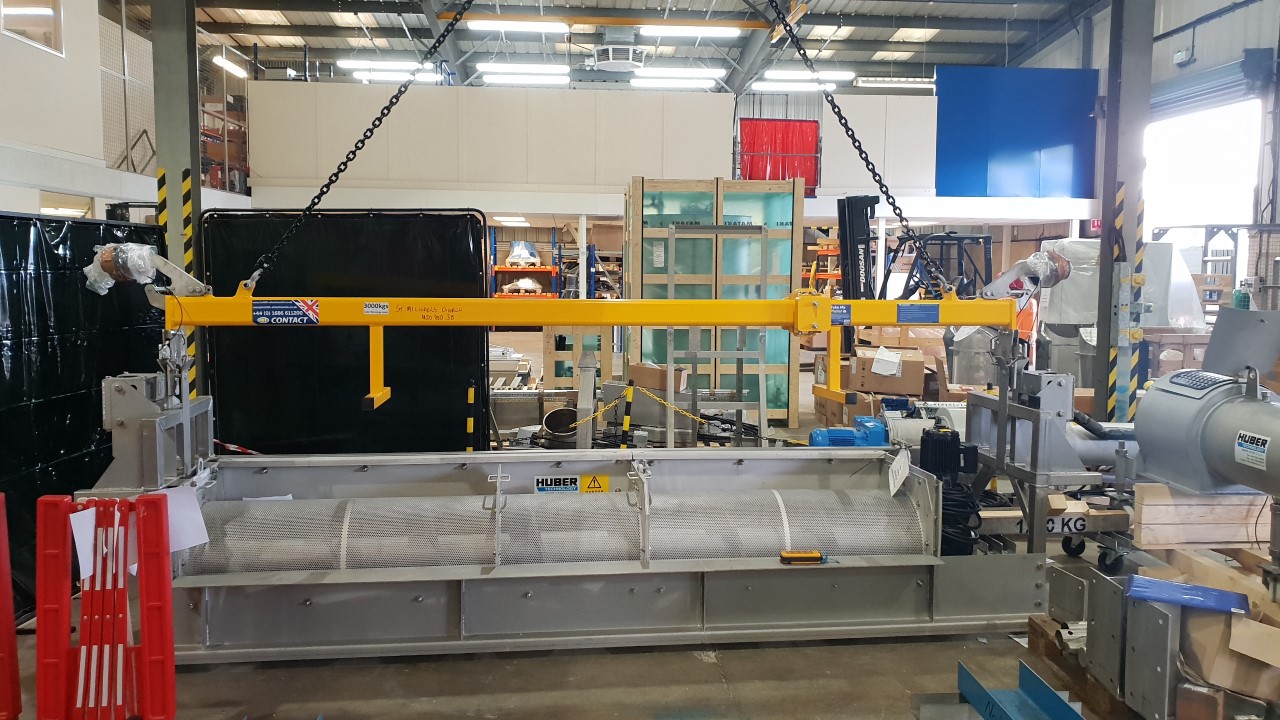
Manual handling injuries are rising across workplaces in the UK – with the latest figures reported by The Workers Union highlighting just how serious the issue is. According to their May 2026 update, hundreds of thousands of workers continue to suffer musculoskeletal injuries each year, with lifting, carrying, pushing and pulling remaining among the most common causes.
From warehouses and logistics hubs to construction sites, retail environments and healthcare settings, workers are facing growing physical pressures driven by staff shortages, increased workloads, and tighter productivity targets.
Why Manual Handling Injuries Are Increasing
The Workers Union report highlights several contributing factors:
- Heavier workloads and reduced staffing
- Repetitive lifting and carrying
- Poor workplace planning
- Lack of suitable lifting aids
- Unsafe practices becoming normalised over time
These pressures are particularly visible in warehousing and logistics, where the growth of online retail has intensified physical demands. But the issue extends far beyond heavy industry — retail, healthcare, hospitality and delivery services are all seeing rising strain-related injuries.
Where The Right Forklift Attachments Make a Difference
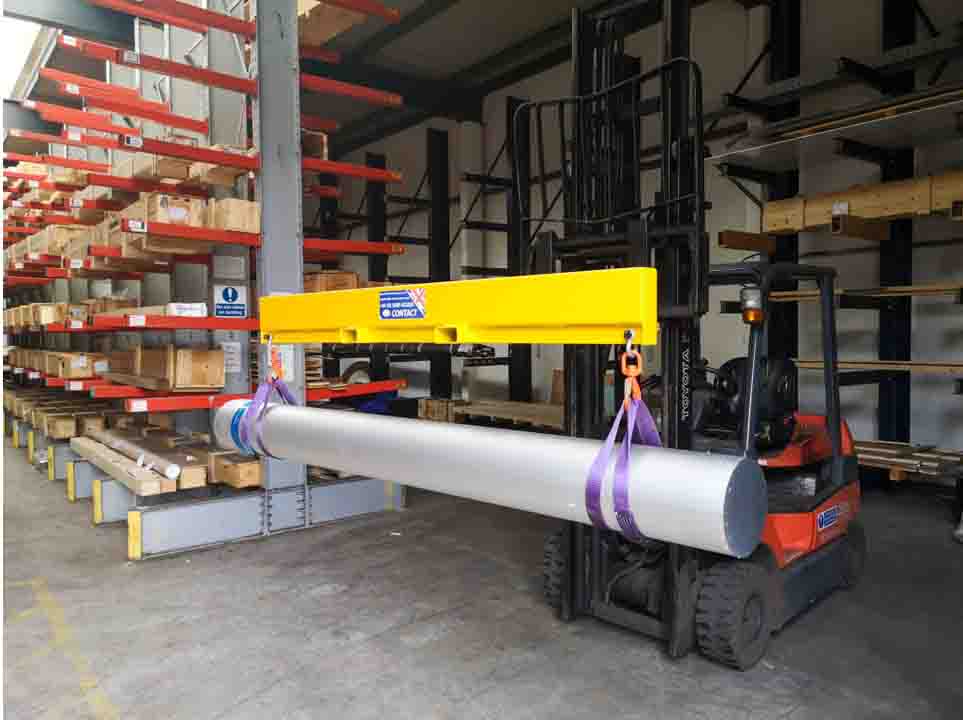
While manual handling training remains essential, the HSE is clear — employers must reduce risks where reasonably practicable. In many cases, that means introducing equipment that removes or minimises the need for workers to lift, carry or manoeuvre loads manually.
High-quality forklift attachments play a critical role in:
1 Reducing Repetitive Lifting
Attachments such as tipping skips, drum handlers, fork-mounted hooks and load stabilisers allow operators to move materials safely without manual strain.
2 Improving Load Stability
Poorly balanced or awkward loads are a major cause of back injuries. Purpose-built attachments ensure loads are secure, predictable and easier to control.
3 Preventing Improvised Practices
When the right equipment isn’t available, workers often improvise — a key factor behind many long-term injuries. Fit-for-purpose attachments eliminate the need for risky manual handling.
4 Supporting Safer, More Efficient Workflows
Attachments designed for specific sectors — from agriculture to recycling to construction — reduce the physical effort required to complete everyday tasks.
Why Build Quality Matters
The Workers Union report emphasises that unsafe conditions often develop gradually. The same is true for equipment.
Cheap, poorly engineered attachments can introduce new risks:
- Excessive movement or instability
- Weak welds or thin steel that fails under load
- Missing certification or traceability
- Poor fit that increases strain on the forklift and operator
As we highlighted in our previous blog, The Hidden Cost of Cheap Forklift Attachments, low-cost imports often cost more in the long run — not just financially, but in terms of safety.
A Safer Future: Investing in Better Systems of Work
With manual handling injuries rising, employers are under increasing pressure to demonstrate:
- Robust risk assessments
- Suitable lifting aids
- Safe staffing levels
- Evidence of proactive safety measures
- Compliance with LOLER and PUWER
High-quality forklift attachments are one of the most effective ways to reduce manual handling risks across busy, high-pressure environments.
With over 50 years of UK engineering expertise, we design and manufacture attachments that help businesses:
- Reduce manual handling strain
- Improve load stability
- Minimise downtime
- Extend equipment life
- Meet compliance requirements
- Protect workers from long-term injury
Every attachment is built at our Mid-Wales site using high-grade materials, reinforced construction and full certification — giving operators confidence in both performance and safety.
If you’re reviewing your manual handling processes or looking to reduce strain-related injuries, our team can help assess your site, equipment and operational needs.
For advice on choosing the right forklift attachments to support safer, more efficient working practices, contact us on 01686 611200.
*Source: Manual Handling Injury Statistics UK