Call Us +44 (0)1686 611200
Proudly Made in the United Kingdom

Preparing Your Forklift Attachments for Peak Warehouse Season
By Jason Cadman on July 30, 2026
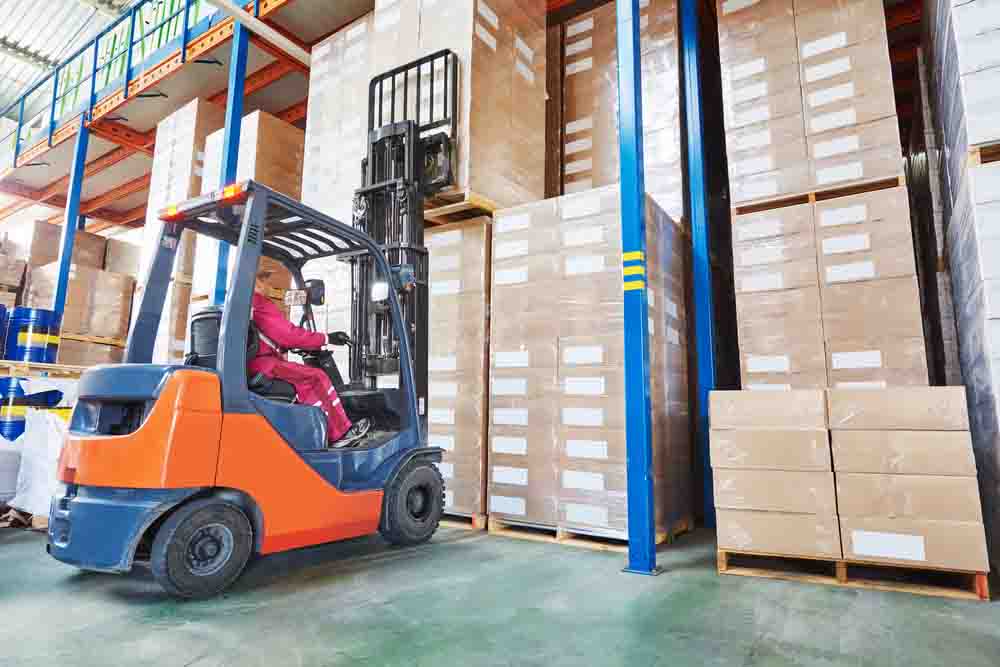
For many warehouses and distribution centres, peak season doesn't begin when Christmas stock starts arriving – it begins months earlier. August is often when businesses increase inventory, review equipment and prepare for the heavier workloads that autumn and winter bring.
While forklifts themselves are usually included within planned maintenance schedules, forklift attachments can sometimes be overlooked. Yet they're just as critical to maintaining safe, productive operations. A damaged, worn or unsuitable attachment can result in downtime, lost productivity and unnecessary safety risks.
Taking a proactive approach now can help avoid costly disruptions when demand is at its highest.
Quick Peak Season Checklist
✓ Inspect every attachment for damage
✓ Check Thorough Examination dates
✓ Confirm forklift compatibility
✓ Refresh operator training
✓ Inspect equipment coming out of storage
1 Why Preparation Matters
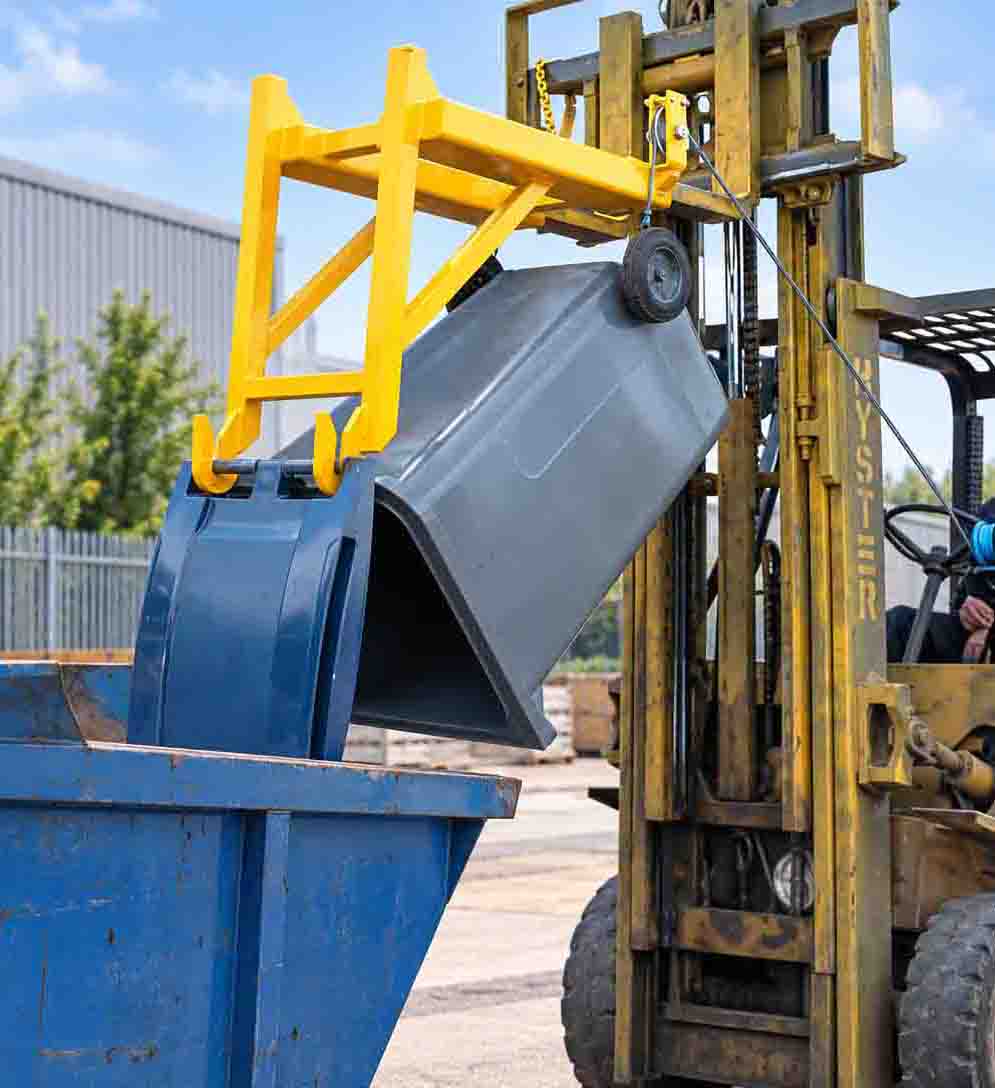
As order volumes rise, forklifts complete more lifting cycles and spend significantly more time in operation. Attachments such as tipping skips, crane jibs, lifting beams, drum handlers and fork extensions experience increased wear during these busy periods.
Minor issues that might go unnoticed during quieter months can quickly become costly failures once equipment is operating every day.
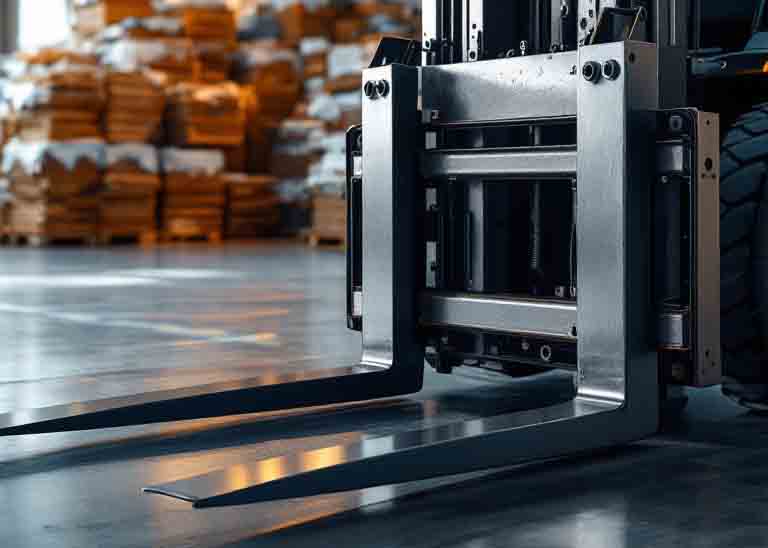
Peak season places greater demands on both forklifts and their attachments.
2 Inspect for Wear and Damage
Carry out a detailed visual inspection before returning attachments to regular service.
Check for:
- Cracks or distortion
- Bent fork pockets
- Excessive corrosion
- Damaged locking systems
- Worn retaining pins or safety chains
- Missing identification or SWL plates
Any defects should be investigated before the attachment is returned to service.
3 Check Your Thorough Examination
Many forklift attachments require a Thorough Examination under LOLER. Before your busiest period begins, confirm that inspection certificates remain current and that any recommendations from previous examinations have been completed.
Top Tip: Keep your inspection certificates readily available. This can save valuable time during customer audits, insurance visits or health and safety inspections.

Routine inspections help identify problems before they cause costly downtime.
4 Ensure Attachments Match the Forklift
Attachments should never be treated as interchangeable between forklift trucks without checking compatibility.
- Fork pocket dimensions
- Truck capacity
- Residual lifting capacity
- Load centre changes
- Hydraulic requirements
Using an incompatible attachment may reduce the safe lifting capacity of the forklift and compromise safe operation.
5 Refresh Operator Training
Busy periods often bring temporary staff, overtime working and employees using equipment they may not have operated for some time.
Operators should understand:
- The attachment they're using
- Correct operating procedures
- Changes to visibility
- Residual lifting capacities
- Daily inspection requirements

Even experienced forklift operators may require additional familiarisation when using specialist attachments.
6 Don't Forget Equipment in Storage
Attachments that have been stored for several months should always be inspected before being put back into service.
- Clean away dirt and debris
- Lubricate moving components
- Inspect hydraulic hoses
- Check locking mechanisms
- Carry out a full pre-use inspection
Corrosion, seized components and deterioration may not be immediately obvious after long periods of storage.
Preparing Now Saves Downtime Later
Preparing your forklift attachments ahead of peak season is about far more than compliance. It's about maintaining productivity, avoiding unexpected downtime and ensuring your equipment is ready when demand is at its highest.
Spending a few hours inspecting attachments, reviewing documentation and confirming compatibility today could prevent expensive repairs and operational disruption later in the year.
If you'd like advice on selecting the right forklift attachment, arranging a Thorough Examination or checking compatibility with your forklift, our experienced team is here to help.
www.forklift-attachments.co.uk
01686 611200
[email protected]
```