Call Us +44 (0)1686 611200
Proudly Made in the United Kingdom

On-Site LOLER: Why It Really Matters Who Carries Out Your Thorough Examination
By Jason Cadman on September 11, 2026

More and more businesses are asking their insurance provider to carry out the annual LOLER Thorough Examination on their forklift attachments. On the surface it makes perfect sense — it's convenient, it's already part of an existing relationship, and it appears to tick the compliance box.
But it's worth taking a closer look at what that service actually includes… and what happens when something doesn't quite go to plan.
A Thorough Examination isn't just about receiving a certificate. It's about keeping your forklift attachments safe, compliant and available for work without unnecessary downtime.
LOLER at a Glance
✓ Annual Thorough Examination for most forklift attachments.
✓ Identifies wear, defects and safety concerns.
✓ Helps demonstrate compliance with LOLER.
✓ Choosing the right inspection provider can reduce downtime and avoid additional repair visits.
1 What Is a LOLER Thorough Examination?
Under the Lifting Operations and Lifting Equipment Regulations (LOLER), forklift attachments classed as lifting equipment must be examined by a competent person at appropriate intervals — typically every 12 months unless a written scheme specifies otherwise.
The purpose is to confirm that the attachment remains safe to use and has not developed defects that could present a risk during lifting operations.
During a Thorough Examination, the inspector will typically:
- Inspect the attachment against the relevant standard.
- Check structural integrity, welds and load-bearing components.
- Identify cracks, distortion, wear or damage.
- Inspect locking mechanisms, retaining pins and safety devices.
- Issue a formal report confirming the inspection outcome.
If defects are identified, they'll be recorded within the report together with recommendations or actions required before the attachment is returned to service.

A Thorough Examination helps identify structural defects and wear before they become safety risks.
2 The Difference Between Inspection and Resolution
Many insurance companies provide LOLER inspection services, and many carry out the inspection itself perfectly well.
The difference often appears after a defect is found.
What Often Happens With a Standard Insurance Inspection?
- The attachment fails the examination.
- It is immediately removed from service.
- The defect is recorded in the report.
- You then need to organise a separate repair.
- A second visit is required before the attachment can return to work.
For busy warehouses, manufacturing facilities and construction sites, that's where the real cost begins. Equipment sits idle while repairs are arranged, deliveries may be delayed and productivity suffers.
3 Why Downtime Costs More Than the Inspection
A failed attachment can affect much more than one piece of equipment.
Unexpected downtime can lead to:
- Production delays.
- Missed dispatch deadlines.
- Temporary equipment hire.
- Additional labour costs.
- Rescheduling deliveries.
- Reduced productivity across multiple departments.
In many operations, one specialist attachment supports multiple jobs throughout the day. Losing it unexpectedly can create bottlenecks across production, storage and dispatch.

A failed attachment can create costly downtime if repairs require a separate visit.
4 How Our On-Site LOLER Service Works Differently
At Contact Attachments, our engineers don't simply inspect and leave.
If a defect is identified during the Thorough Examination, many common issues can be rectified during the same visit, wherever practical.
A Single Visit Can Include:
✓ Thorough Examination carried out on site.
✓ Minor repairs completed immediately where possible.
✓ Replacement of worn components where appropriate.
✓ Updated certification issued after the work is completed.
✓ Attachments back in service the same day wherever practical.
That means fewer visits, less administration and less disruption to your operation.
5 What Can Often Be Repaired During the Visit?
Every attachment is different, but many issues identified during an examination don't necessarily require the attachment to leave site.
Examples include:
- Replacement retaining pins.
- Safety clips and locking devices.
- Rating plates.
- Chains and safety restraints.
- Minor mechanical components.
- General adjustments where required.
Where more significant repairs are required, our engineers can advise on the safest next steps and arrange repairs quickly.
6 The Business Benefits of On-Site LOLER Examinations
Choosing an inspection provider isn't simply about achieving compliance — it's about keeping equipment working.
Less Downtime
Fewer attachments sitting idle waiting for repairs.
Fewer Contractor Visits
Inspection and repair handled together where possible.
Reduced Administration
Less time arranging follow-up appointments and paperwork.
Improved Productivity
Attachments remain available for day-to-day operations.
7 Who Needs a Forklift Attachment Thorough Examination?
If your business uses forklift attachments for lifting operations, it's worth reviewing whether they require a Thorough Examination under LOLER.
Typical attachments include:
- Forklift crane jibs.
- Lifting hooks.
- Lifting beams.
- Drum lifters and grabs.
- Work platforms.
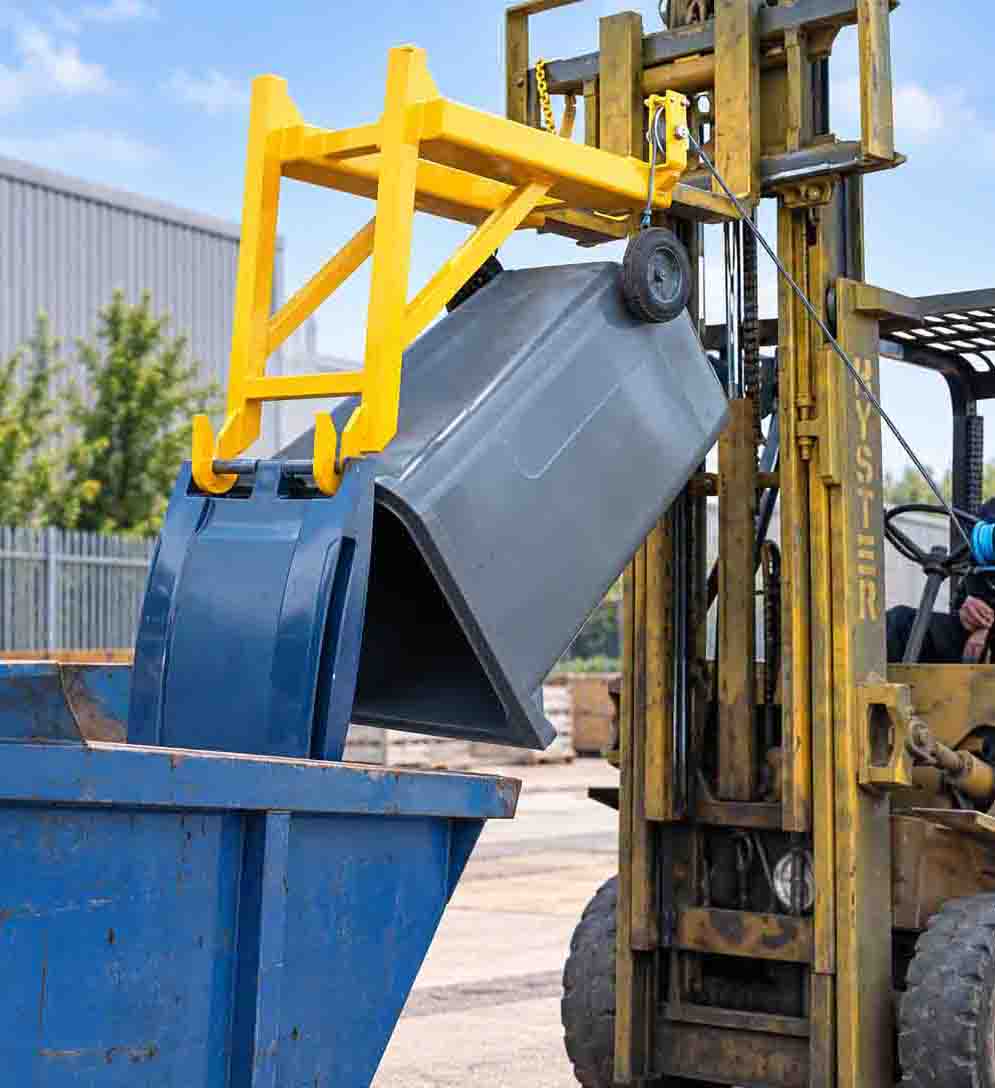
- Tipping skips used for lifting operations.
- Bespoke lifting attachments.
A competent person can advise whether individual attachments fall within the relevant inspection requirements.
Frequently Asked Questions
How often do forklift attachments need a LOLER Thorough Examination?
Most forklift lifting attachments require a Thorough Examination at least every 12 months unless a written scheme specifies a different interval.
Can an insurance company carry out a Thorough Examination?
Yes. Many insurers provide LOLER inspection services. However, they typically inspect and report defects rather than carrying out repairs during the visit.
Can defects be repaired during an on-site LOLER inspection?
Many common defects can often be rectified during the same visit where practical, reducing downtime and avoiding separate repair appointments.
What happens if an attachment fails its examination?
If a defect makes the attachment unsafe, it may need to be removed from service until repairs are completed and the attachment is safe to return to use.
Keep Your Attachments Working, Not Waiting
Choosing who carries out your LOLER Thorough Examination isn't just about meeting regulations — it's about keeping your operation running with minimal interruption.
Our experienced engineers provide on-site LOLER Thorough Examinations across the UK and can often complete repairs during the same visit, helping reduce downtime and keeping your forklift attachments in service.
```