Call Us +44 (0)1686 611200
Proudly Made in the United Kingdom

The Future of Forklift Attachments: Trends Shaping 2026–2030
By Jason Cadman on May 26, 2026
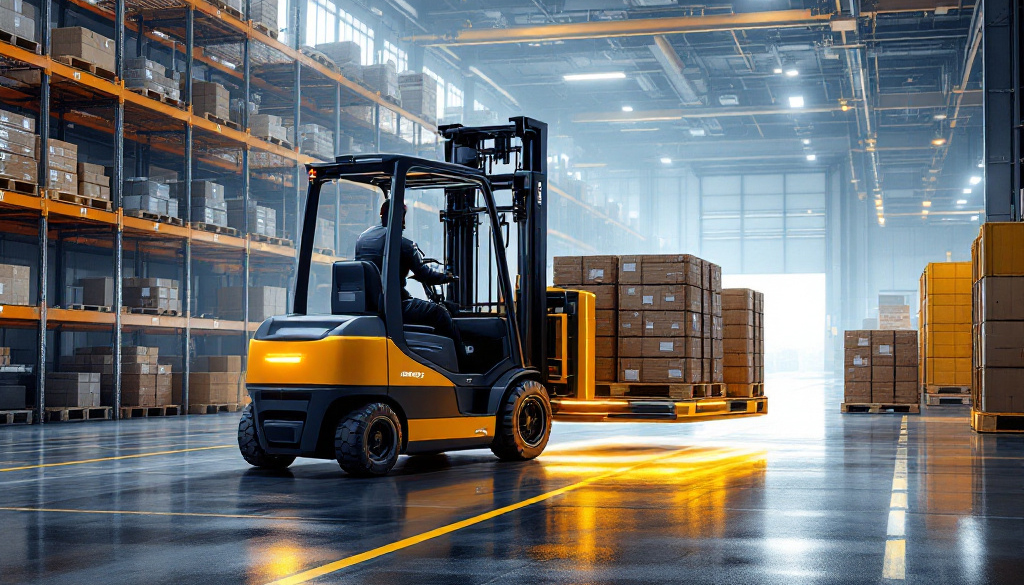
Forklift attachments are continuing to evolve. As warehouses modernise, customer expectations rise, and safety standards tighten, attachments are no longer ‘add-ons’ – they are critical tools that deliver efficiency, compliance, and long-term value.
We’ve outlined below some of the key trends expected to shape the industry over the next five years — and what they mean for UK operators.
1 Automation-Ready Attachments
Warehouses are becoming hybrid environments where people, forklifts, and digital systems need to work together. This shift demands attachments that deliver:
- Reliable accuracy at high volumes
- Precision for food, manufacturing, and cold storage
- Compatibility with telematics and fleet management systems
Automation isn’t replacing forklifts — it’s redefining how they’re used. Attachments that support consistent, predictable performance will become essential as hybrid workflows become the norm.
2 Bespoke Engineering for Complex Loads
As product lines diversify, standard attachments don’t always meet operational needs. Demand will continue to grow for:
- Custom handling solutions
- Sector-specific designs for agriculture, construction, food production, and recycling
- Attachments built for tight or restricted spaces
- Integration with digital systems such as load sensors
Bespoke designs reduce damage, improve safety, and maximise fleet performance.
3 Sustainability Through Durability
Sustainability targets are tightening across UK supply chains. For many operators, the quickest win is extending the life of existing equipment. Over the next few years, expect to see:
- Long-life, repairable attachments replacing disposable imports
- Refurbishment and reconditioning becoming mainstream
- Procurement teams prioritising lifecycle value
- Increased demand for UK-manufactured products with lower transport emissions
Durability is becoming the new sustainability standard. A well-engineered attachment that lasts a decade or more delivers far greater environmental and financial value.
4 Rising Safety Expectations
LOLER, PUWER, and insurer requirements are becoming more stringent, placing attachments under greater scrutiny. We’ll continue to see:
- Stricter documentation and certification requirements
- Closer inspection of imported, non-certified attachments
- Operator training expanding to include attachment-specific modules
- Designs that reduce human error and improve predictability
Safety is no longer just about the forklift truck — it’s about the entire handling system.
5 Multi-Functionality and Smarter Fleets
With ever-increasing pressure to reduce costs and enhance output, operators want attachments that maximise existing fleets. This includes:
- Quick-change systems
- Multi-purpose attachments
- Reduced manual handling
- Better fleet utilisation
The future isn’t bigger fleets — it’s smarter, more adaptable fleets.
6 Data-Enabled Attachments
By 2030, attachments will increasingly incorporate:
- Load sensors
- Usage tracking
- Predictive maintenance alerts
- Integration with warehouse management systems
Data-enabled attachments will help operators reduce damage, improve accuracy, and plan maintenance more effectively.
What This Means for UK Operators
- Smarter – automation-ready and data-enabled
- Safer – compliant, traceable, operator-friendly
- Stronger – durable, repairable, built for long-term value
With over 50 years of experience designing, manufacturing, and supplying forklift attachments, our team can help you choose the right solution for your business.
Our team will assess your site, forklift compatibility, and usage needs to ensure you get the most effective systems for your operations.
For advice on reviewing or upgrading your forklift attachments to ensure they’re future-ready, please contact our team on 01686 611200.